Creating Clean, Toxin-Free Air Indoors
Discover practical strategies for maintaining healthy indoor air quality through proper ventilation, reduced off-gassing, and safe air purification methods.

Safe Ventilation Habits
Proper ventilation is essential for maintaining healthy indoor air quality. Regular air exchange helps remove pollutants, moisture, and stale air from your living spaces.
Key Practices:
- Open windows daily for at least 10-15 minutes, even in winter
- Use exhaust fans in kitchens and bathrooms during and after use
- Create cross-ventilation by opening windows on opposite sides
- Ventilate immediately after cleaning or using any products with strong odors
- Consider installing trickle vents for continuous background ventilation
- Avoid blocking air vents or radiators with furniture
Natural Ventilation
Use windows and doors to create airflow patterns that refresh indoor air naturally.
Mechanical Ventilation
Exhaust fans and air exchange systems help maintain consistent air quality.
Tips for Reducing Off-Gassing
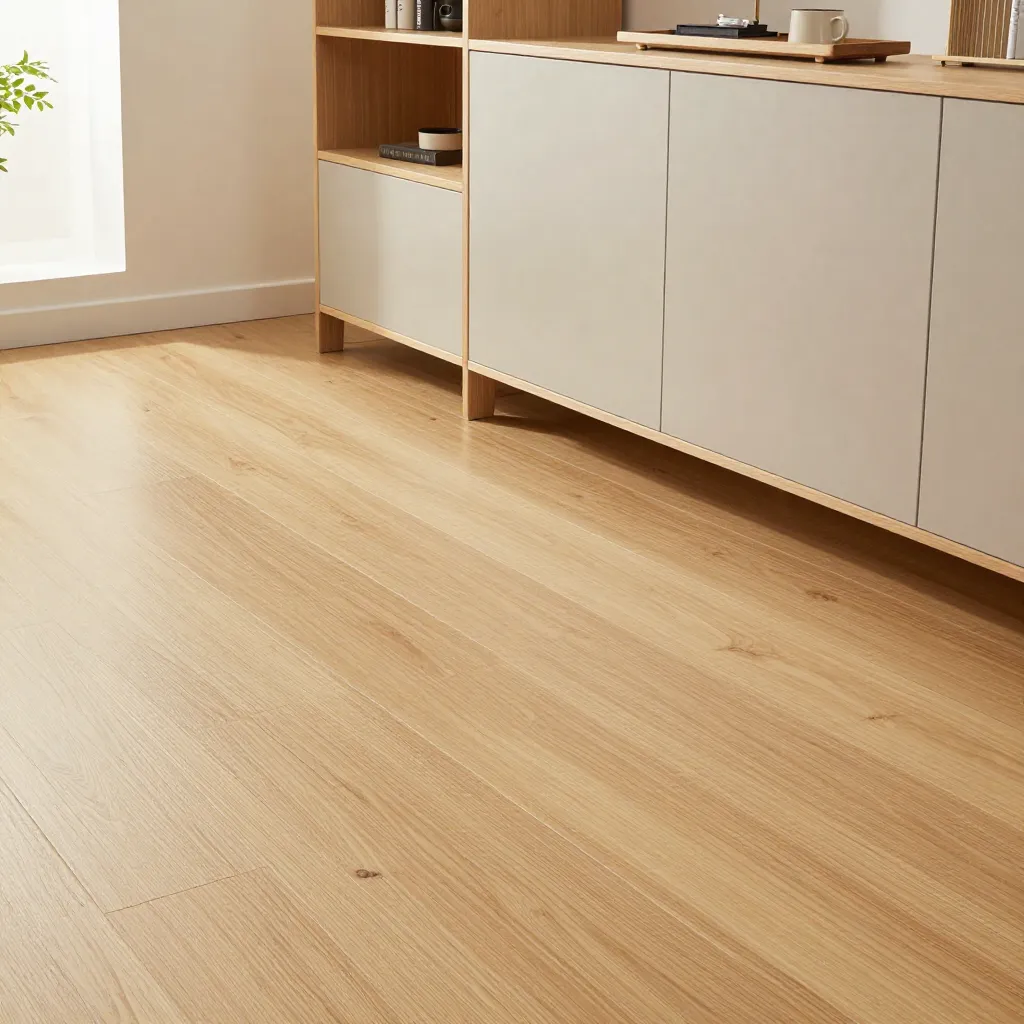
Off-gassing occurs when new materials release volatile organic compounds into the air. Minimize exposure by choosing low-emission products and allowing proper ventilation.
Strategies:
- Unpack new furniture and allow it to air out in a well-ventilated area before bringing indoors
- Choose products with low-VOC certifications and minimal chemical treatments
- Increase ventilation for 48-72 hours after bringing new items home
- Consider using air purifiers with activated carbon filters during off-gassing periods
- Maintain moderate indoor temperatures to reduce chemical release rates
- Wash new textiles and fabrics before first use

How to Avoid Synthetic Fragrance Chemicals
Synthetic fragrances in air fresheners, cleaning products, and personal care items can contribute to indoor air pollution and trigger sensitivities.
Alternatives:
- Use essential oils from natural sources instead of synthetic air fresheners
- Choose fragrance-free cleaning and personal care products
- Open windows to naturally freshen air rather than masking odors
- Use baking soda or activated charcoal to absorb odors
- Read ingredient labels and avoid products listing "fragrance" or "parfum"
- Consider natural alternatives like fresh herbs, citrus peels, or flowers
Natural Options
Essential oils, herbs, and natural materials provide pleasant scents without chemicals.
Avoid These
Air fresheners, scented candles, and products with synthetic fragrances.
Safe Humidifier and Purifier Choices
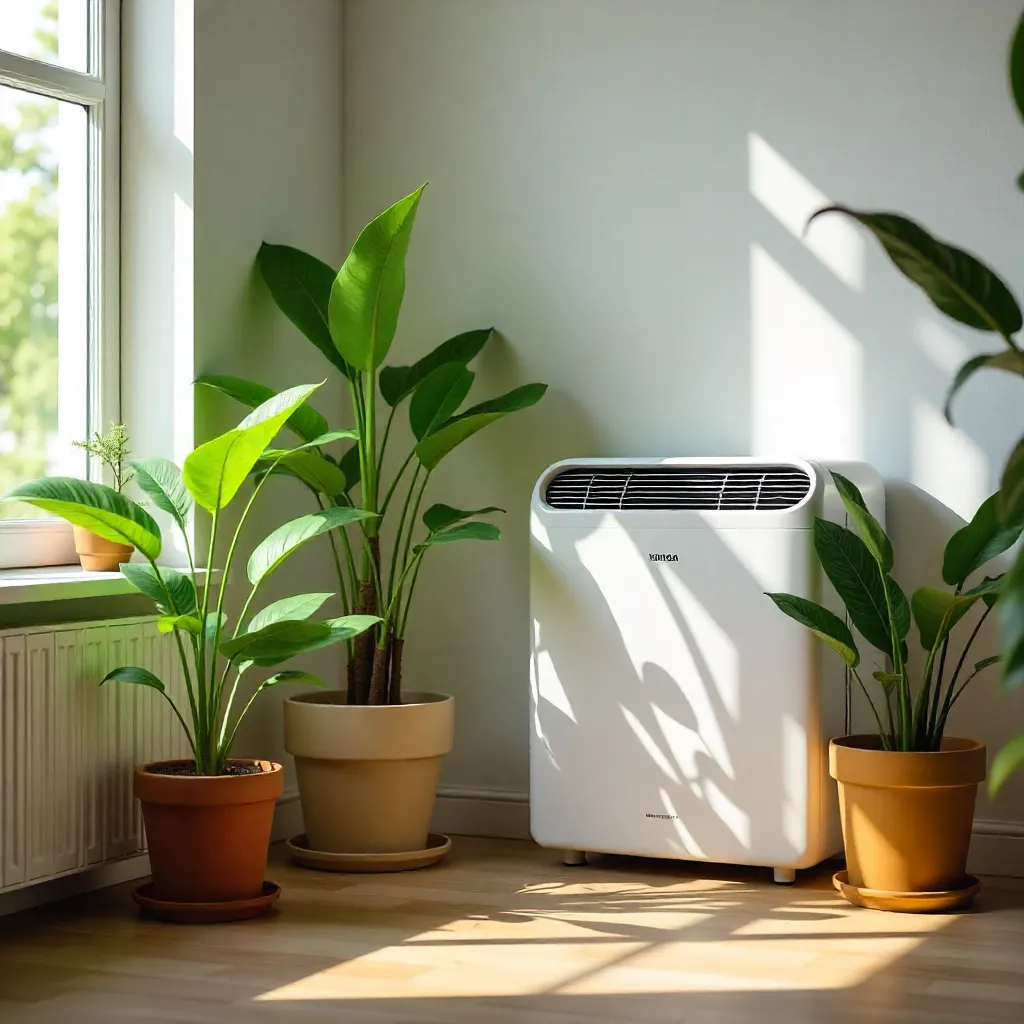
When selecting air quality devices, choose models that don't introduce additional pollutants and are easy to maintain for optimal performance.
Selection Guidelines:
- Choose HEPA-filter air purifiers for particle removal without ozone generation
- Select humidifiers with easy-to-clean reservoirs to prevent mold growth
- Avoid devices that produce ozone, which can irritate airways
- Look for purifiers with activated carbon filters for odor and chemical removal
- Maintain proper humidity levels between 30-50% to prevent mold and dust mites
- Clean and replace filters according to manufacturer recommendations
Winter Air Quality Basics
Cold weather brings unique challenges for indoor air quality. Sealed homes can trap pollutants, while heating systems may circulate dust and dry air.
Winter Strategies:
- Ventilate briefly even in cold weather - open windows for 5-10 minutes daily
- Use exhaust fans when cooking to remove moisture and cooking byproducts
- Maintain humidity levels to prevent dry air that can irritate respiratory systems
- Clean heating system filters regularly to prevent dust circulation
- Consider using a humidifier to combat dry winter air
- Vacuum and dust more frequently as windows stay closed longer
- Check for and address any moisture issues that could lead to mold
Cold Weather Tips
Short, frequent ventilation periods work better than long openings in winter.
Humidity Control
Monitor and maintain optimal humidity to balance comfort and air quality.