Safe Home Materials Guide
Discover low-toxin materials for your home. Learn about safe paints, finishes, flooring, and textiles that help create a healthier indoor environment.
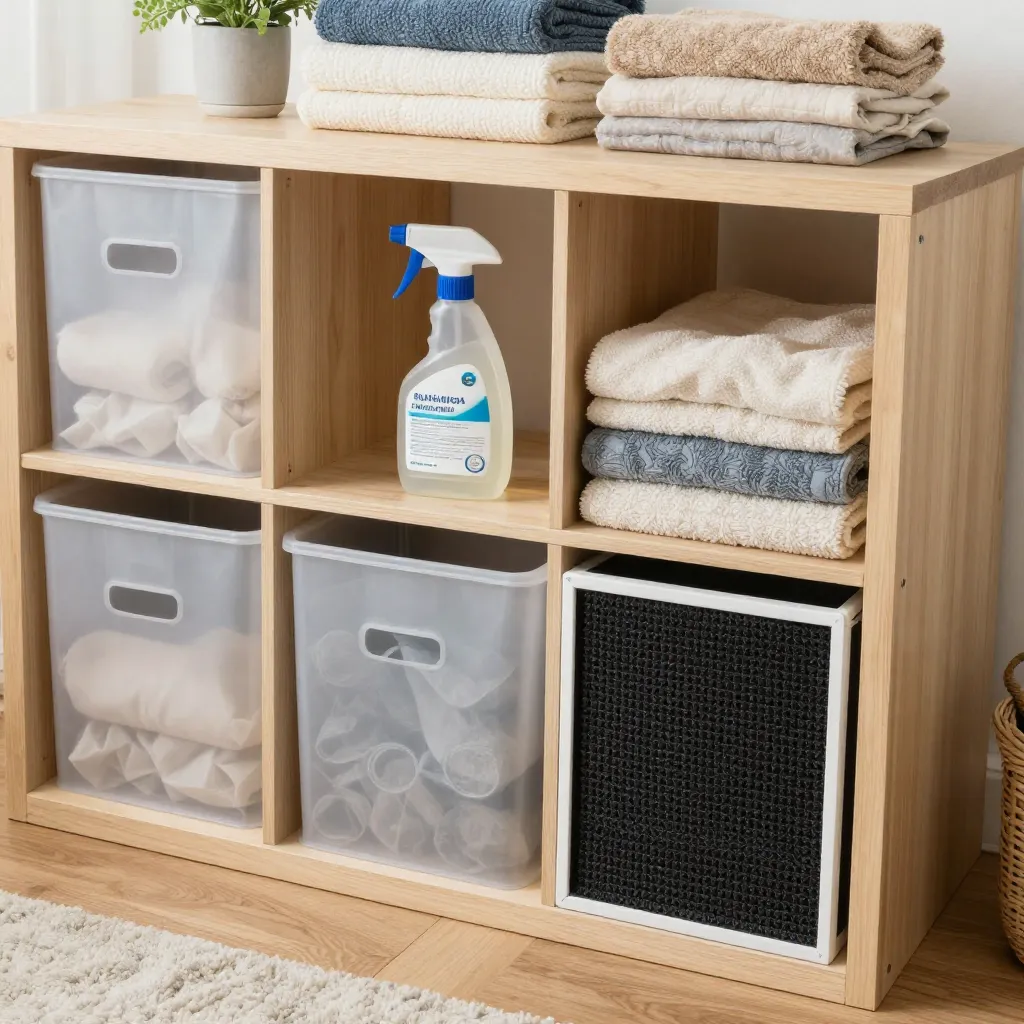
Low-VOC Paints
Volatile Organic Compounds (VOCs) are chemicals that can off-gas from traditional paints, contributing to indoor air pollution. Low-VOC and zero-VOC paints offer a safer alternative for your walls and ceilings.
Toxicity Level: Very Low
Usage Tips:
- Look for paints labeled "Low-VOC" or "Zero-VOC"
- Ensure proper ventilation during and after painting
- Allow adequate drying time before occupying the space
- Choose water-based formulas over oil-based when possible
- Store unused paint in a well-ventilated area
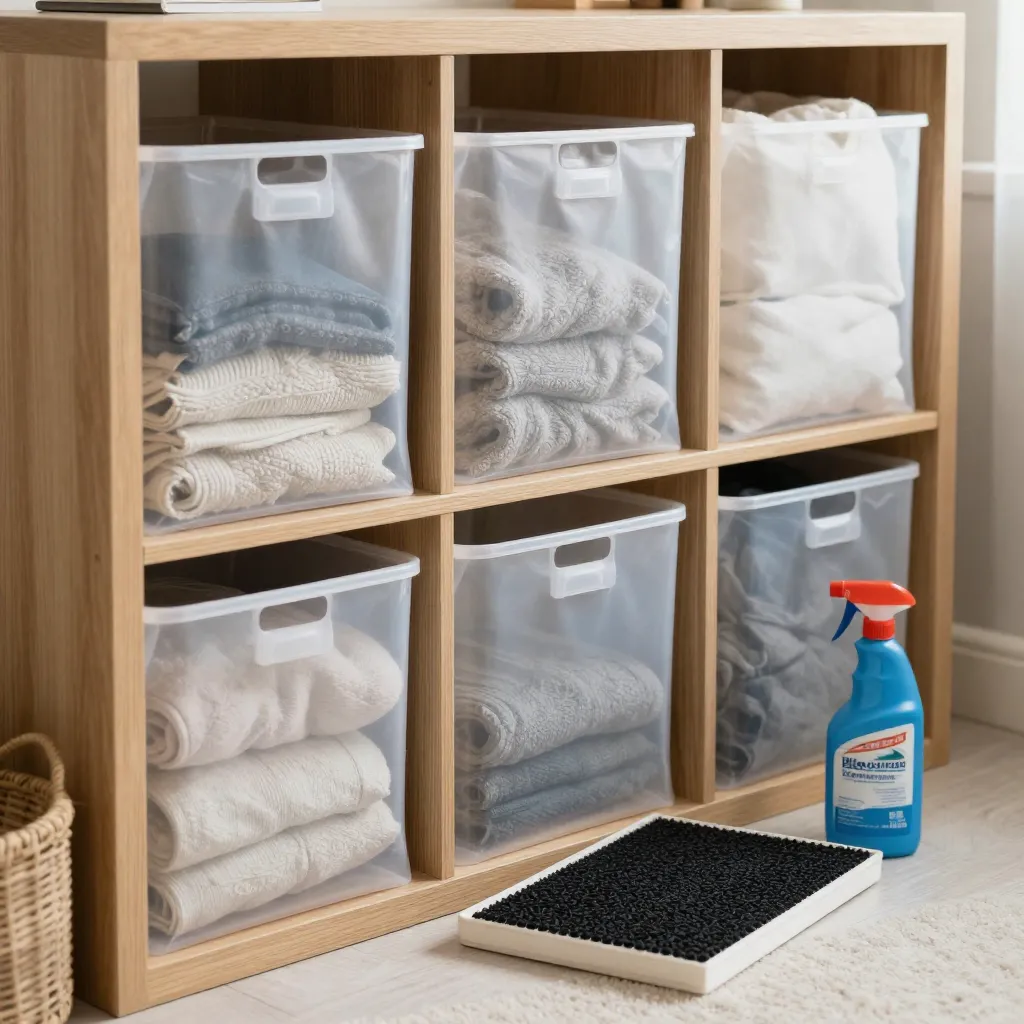
Natural Wood Finishes
Natural wood finishes preserve the beauty of wood while avoiding harmful chemical treatments. Choose plant-based oils, waxes, and water-based sealers for a toxin-free approach.
Toxicity Level: Minimal
Usage Tips:
- Opt for linseed oil, tung oil, or beeswax finishes
- Avoid polyurethane and other synthetic sealers
- Apply in well-ventilated spaces
- Reapply natural finishes periodically for protection
- Test finishes on small areas first
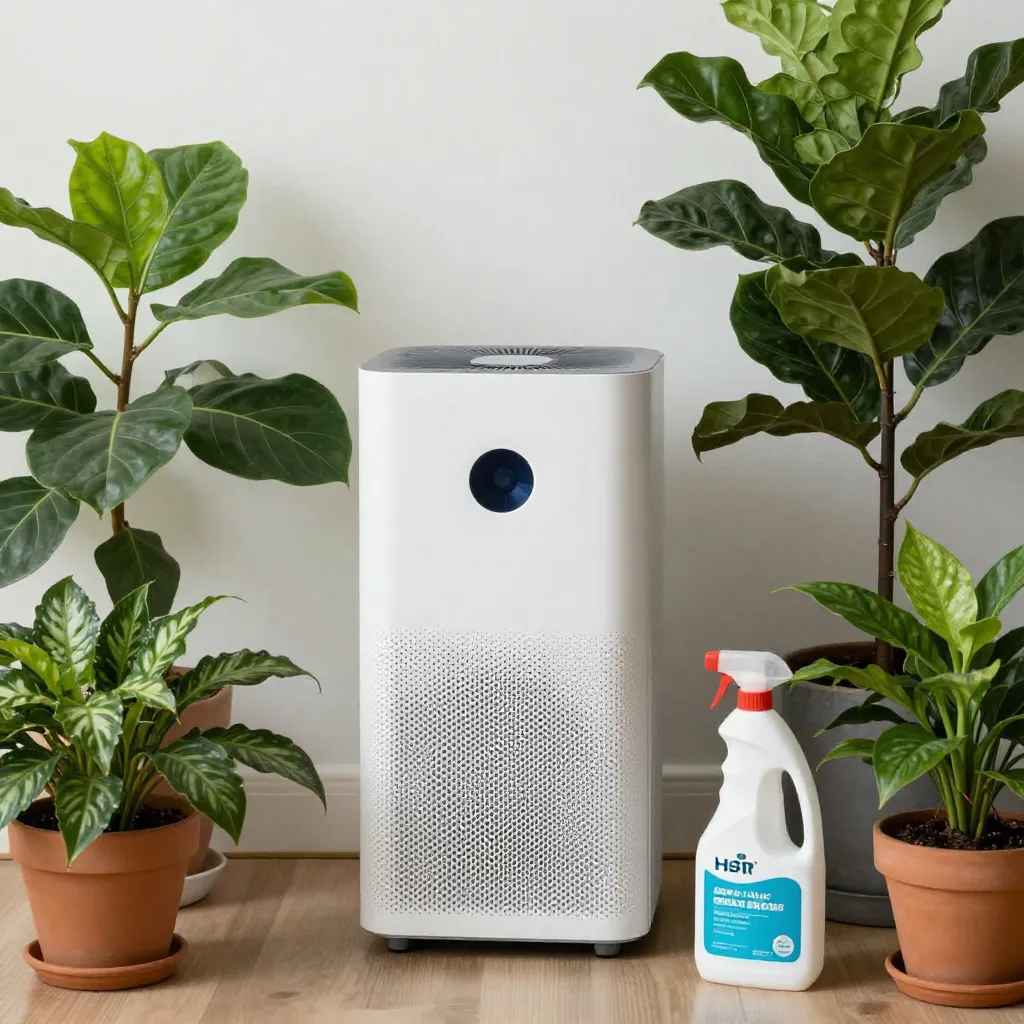
Non-Toxic Flooring Options
Flooring materials can significantly impact indoor air quality. Choose natural, untreated options that don't release harmful chemicals into your home environment.
Toxicity Level: Very Low
Usage Tips:
- Consider solid hardwood, bamboo, or cork flooring
- Avoid vinyl and synthetic laminates with strong odors
- Choose tiles with low-VOC adhesives
- Look for natural fiber carpets (wool, jute) if needed
- Ensure proper installation to prevent moisture issues
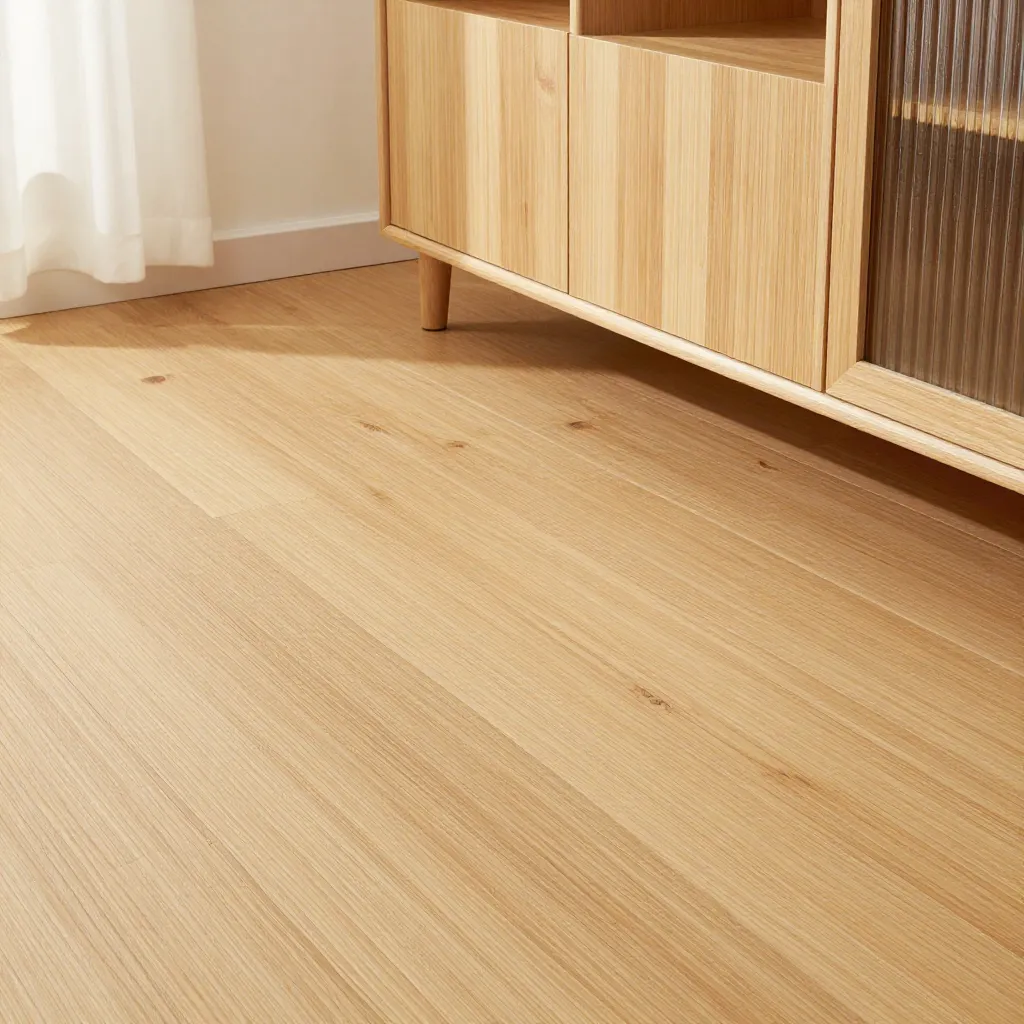
Safe Adhesives and Sealants
Many construction adhesives and sealants contain harmful solvents. Select low-VOC or plant-based alternatives for safer installation and long-term air quality.
Toxicity Level: Low
Usage Tips:
- Choose water-based adhesives when available
- Look for products labeled "Low-VOC" or "Solvent-Free"
- Use natural caulking materials like silicone-free options
- Ventilate well during application
- Store adhesives in sealed containers away from living areas
Organic Fabrics for Home Textiles
Textiles in your home can harbor chemicals from manufacturing processes. Organic, natural fabrics reduce exposure to synthetic dyes, flame retardants, and other harmful substances.
Toxicity Level: Minimal
Usage Tips:
- Choose organic cotton, linen, or hemp for curtains and bedding
- Avoid synthetic fabrics treated with flame retardants
- Wash new textiles before first use to remove residues
- Look for GOTS (Global Organic Textile Standard) certification
- Consider natural dyes or undyed options